


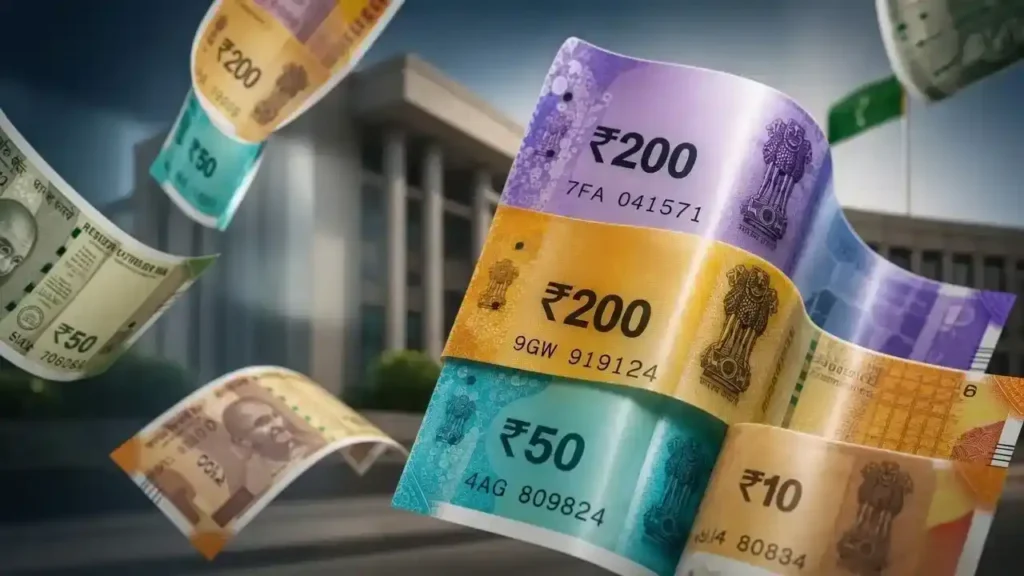
RBI polymer currency notes The Reserve Bank of India (RBI) is systematically advancing its longdiscussed proposal to modernize the domestic currency system by moving from traditional cottonbased paper to durable polymer substrate sheets. The central bank’s currencyprinting subsidiary, Bharatiya Reserve Bank Note Mudran Private Limited (BRBNMPL), has officially floated a global Expression of Interest (EOI) to identify capable manufacturing partners. This procurement exercise represents the foundational phase of a planned pilot rollout, where lowdenomination banknotes like ₹10 and ₹20 will be tested in local markets before any decision on a wider, fullscale introduction is executed.
RBI polymer currency notes – Stringent National Security Safeguards Imposed on Global Suppliers
The comprehensive global tender issued by the central bank outlines strict geopolitical and security conditions that international manufacturers must clear to be eligible. Prospective bidders are required to provide comprehensive legal assurances that any manufacturing lines or operations running in China or Pakistan remain completely ring-fenced from the Indian contract. Furthermore, companies are prohibited from sourcing any raw materials from either country or deploying technicians who have previously worked there. Additionally, any corporate entity hailing from nations sharing a direct land border with India must successfully secure registration with the Department for Promotion of Industry and Internal Trade (DPIIT) Registration Committee.
RBI polymer currency notes – Rising Printing Expenditures and Robust Cash Volumes Push Currency Evolution
The central bank’s structural shift toward plastic currency is heavily incentivized by the economic demands of managing a cash-reliant society. Despite the widespread and rapid integration of Unified Payments Interface (UPI) systems across the economy, the total value of currency in circulation surged by nearly 12 percent, touching a staggering ₹41.23 lakh crore by late March 2026. Because cotton-based lower-denomination bills face heavy daily handling and soil quickly, they require continuous replacement. The central bank spent a staggering ₹6,372.8 crore on currency production in FY25, highlighting the immense long-term operational savings that the extended lifespan of polymer notes can provide.
RBI polymer currency notes – Unlocking Anti-Counterfeiting Safeguards via Flexible Synthetic Substrate
Modern polymer currency is fundamentally engineered using a thin, resilient, and flexible synthetic plastic film called Biaxially Oriented Polypropylene (BOPP). While called “plastic notes,” the material functions seamlessly in pocket handling and wallet folding while demonstrating intense resistance to tearing, moisture, grime, and accidental water submersions. Most importantly, the synthetic base opens up access to intricate anti-counterfeiting features that cannot be replicated on standard paper bills. These specialized layers include transparent windows featuring high-definition portraits, metallic numerals, magnetic security threads, and iridescent patterns, making the notes significantly harder for counterfeiters to forge.