

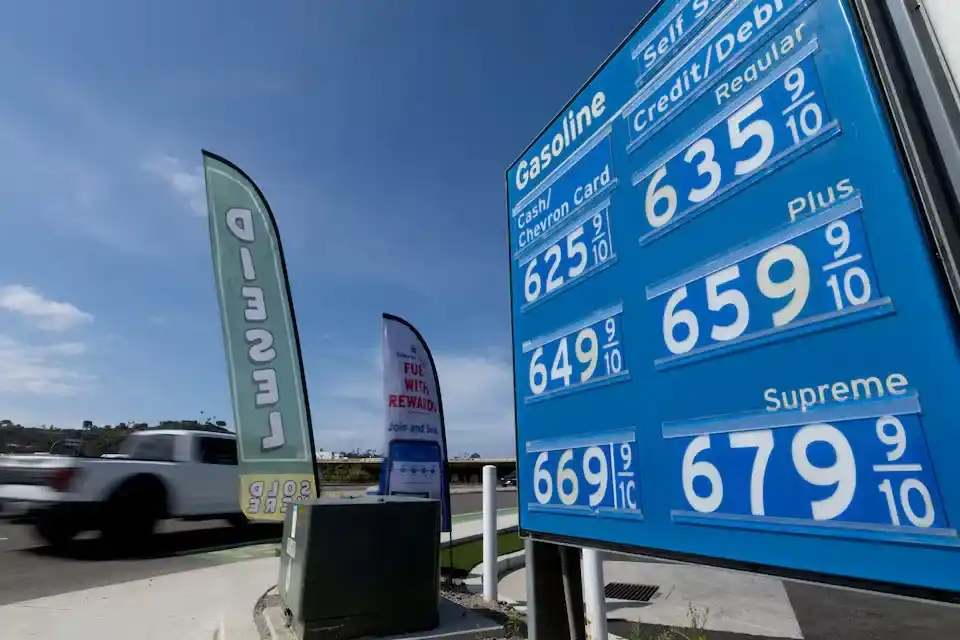
Global oil markets have surprised investors by remaining relatively stable despite nearly five months of conflict involving the United States, Israel, and Iran. Earlier this year, energy analysts warned that crude prices could climb to between $150 and $200 per barrel if the Strait of Hormuz—a critical route for nearly one-fifth of the world’s oil shipments—were significantly disrupted. Instead, Brent crude reached a peak of around $126 per barrel before easing as global supply remained resilient and demand growth softened.
Multiple Factors Prevented an Oil Price Shock
One of the biggest reasons behind the restrained price movement has been weaker-than-expected demand from China, the world’s largest crude oil importer. Lower industrial activity, increased use of electric vehicles, reduced fuel exports, and slower petrochemical demand have all contributed to declining oil imports. At the same time, the United States boosted crude production to record levels and coordinated large releases from strategic petroleum reserves, helping offset supply concerns created by the conflict.
Market Sentiment and Alternative Supply Routes Reduced Panic
Oil traders also became increasingly cautious as geopolitical headlines frequently shifted between military escalation and diplomatic efforts. Sudden announcements regarding potential ceasefires or negotiations discouraged aggressive speculative buying. Meanwhile, Saudi Arabia increased exports through Red Sea routes, reducing reliance on the Strait of Hormuz whenever disruptions occurred. Strong physical crude availability in Europe and other regions further eased concerns over immediate shortages.
Outlook Remains Uncertain Despite Stable Prices
Although oil prices have remained well below the most pessimistic forecasts, analysts caution that risks have not disappeared. Renewed military escalation, disruptions to major shipping lanes, or further attacks on regional energy infrastructure could still trigger sharp price swings. For now, however, ample global supply, diversified export routes, and softer demand have prevented a sustained surge in crude prices, keeping energy markets more resilient than many had anticipated.
