


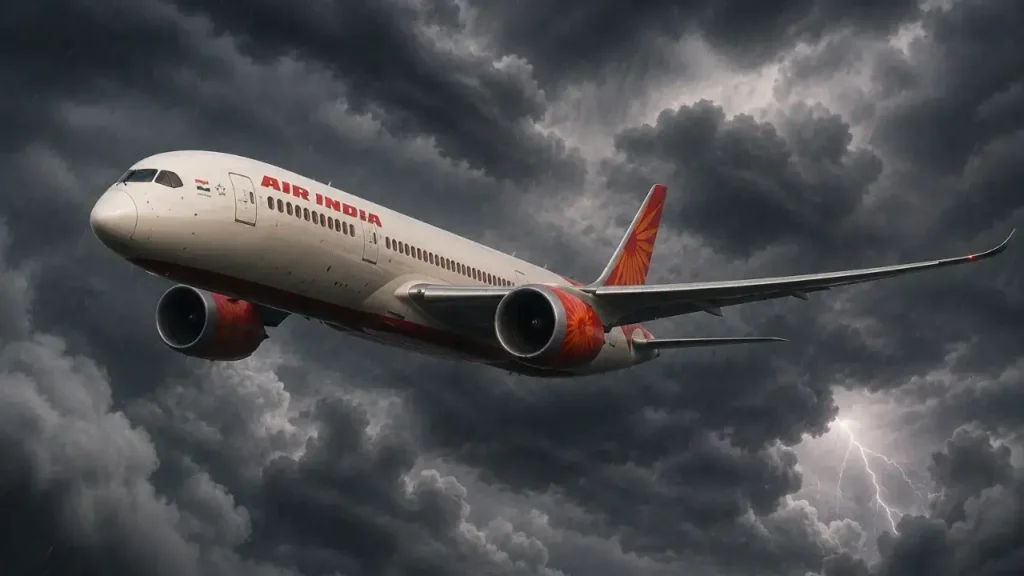
Air India Flight – Investigations into Air India flight AI 2379 from Phuket to Delhi have revealed that a severe 300-foot altitude drop was preceded by a series of hydraulic and flight-control system failures, contradicting the airline’s initial claims attributing the mid-air incident solely to turbulence.
Air India Flight – Investigation Uncovers Cascade of Technical Glitches Behind Mid-Air Altitude Drop
On August 4, 2026, Air India flight AI 2379, operating an Airbus A320neo carrying 137 passengers and crew from Phuket to Delhi, experienced a sudden drop in altitude of approximately 300 feet, leaving 17 people injured. While Air India initially described the occurrence as a “brief in-flight turbulence-related event”, subsequent technical maintenance logs and investigative reports indicated that the aircraft suffered multiple cascading hydraulic system pressure drops and flight-control faults prior to the descent. The failures triggered an automatic disconnection of the autopilot and disrupted flight control surfaces responsible for managing the plane’s pitch.
Air India Flight – AAIB Classifies Incident as ‘Serious Event’ as Airbus and Global Teams Join Probe
Following technical revelations, the Civil Aviation Ministry omitted mentions of turbulence and formally handed the investigation to the Aircraft Accident Investigation Bureau (AAIB), classifying the episode as a “serious incident”. International aviation experts, technical teams from aircraft manufacturer Airbus, and France’s civil aviation safety authority (BEA) joined Indian investigators to evaluate post-flight automated maintenance reports and black box data. Aviation analysts raised questions over pre-flight maintenance checks, given that simultaneous disruptions across independent hydraulic channels are exceptionally rare.
Air India Flight – Crew Protocols and Safety Measures Scrutinized as Flight Data Recorders Secured
Along with the flight control system failures, investigators secured the Flight Data Recorder (FDR) and Cockpit Voice Recorder (CVR) to establish the exact timeline of events inside the cockpit. The Directorate General of Civil Aviation (DGCA) also initiated comprehensive reviews of pilot decision-making, safety protocols, and routine medical screenings. Aviation authorities reaffirmed that safety regulations, routine fleet maintenance, and emergency response protocols across Indian carriers remain under strict regulatory oversight.