

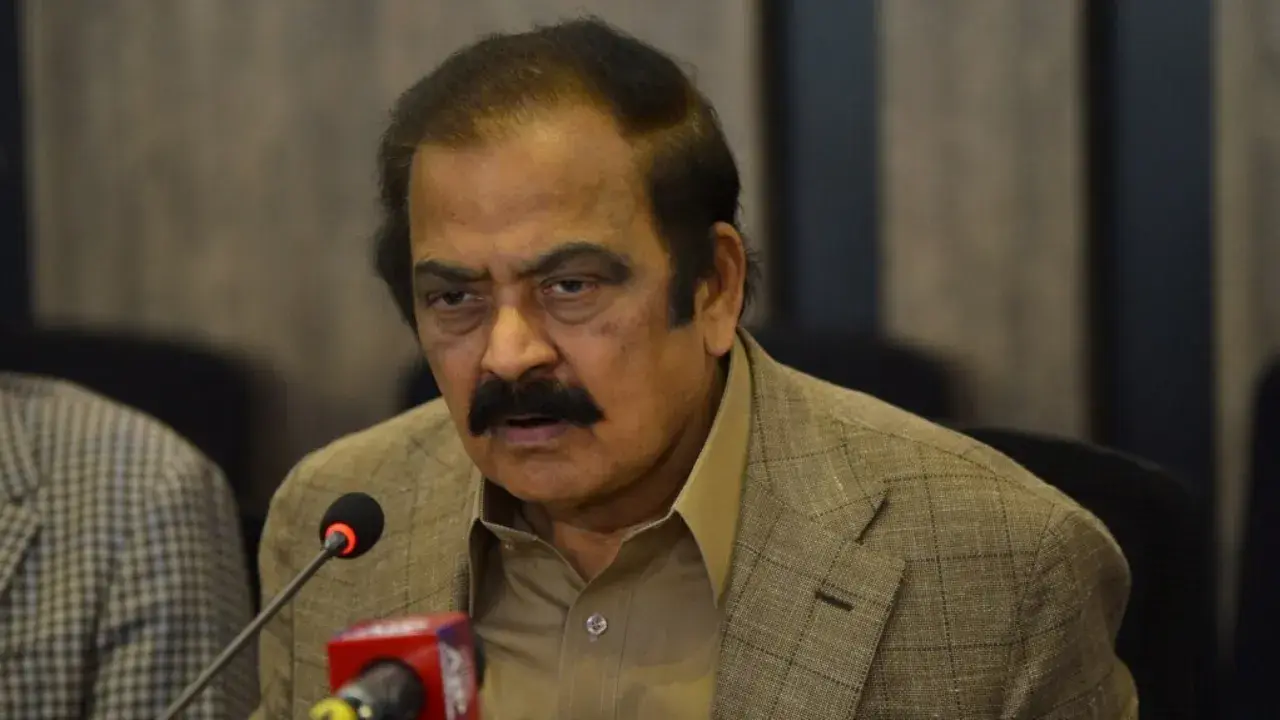
Pakistan PM Aide Mujahideen Remark A major controversy has erupted following public remarks made by a senior advisor to the Prime Minister of Pakistan, admitting that the state historically fostered, trained, and armed militant groups (“Mujahideen”) as part of a deliberate proxy policy to “bleed India.” The official’s statement, which quickly went viral across news outlets and social media platforms, highlighted how these same statesponsored radical elements have now turned their weapons against Pakistan’s own military and civilian infrastructure.
Pakistan PM Aide Mujahideen Remark – Explicit Admission of State-Sponsored Proxy Warfare
Speaking during a panel discussion on national security challenges, the aide acknowledged that past security doctrines relied heavily on non-state actors as strategic assets against neighboring India. The official conceded that the policy of nurturing extremist factions for regional leverage ultimately destabilized domestic security, stating that the very militant infrastructure created to operate across borders has morphed into anti-state armed insurgencies operating within Pakistan’s borders.
Pakistan PM Aide Mujahideen Remark – Rising Domestic Violence and Security Blowback
The candid admission comes amid a sharp escalation in terrorist attacks within Pakistan, particularly targeting security forces, police posts, and critical infrastructure across Khyber Pakhtunkhwa and Balochistan. Attacks by militant coalitions—including the Tehreek-e-Taliban Pakistan (TTP) and regional separatist factions—have intensified significantly, underscoring what security analysts describe as a classic case of strategic blowback from decades of state-sanctioned proxy patronage.
Pakistan PM Aide Mujahideen Remark – Diplomatic Fallout and Global Reaction
The viral remarks have reinforced long-standing assertions by India and international counter-terrorism observers regarding Pakistan’s state sponsorship of cross-border terrorism. Strategic experts note that such public admissions severely damage Islamabad’s diplomatic standing, complicating its efforts to secure international financial assistance and counter-terrorism aid while highlighting internal divisions over past military-intelligence doctrines.
