

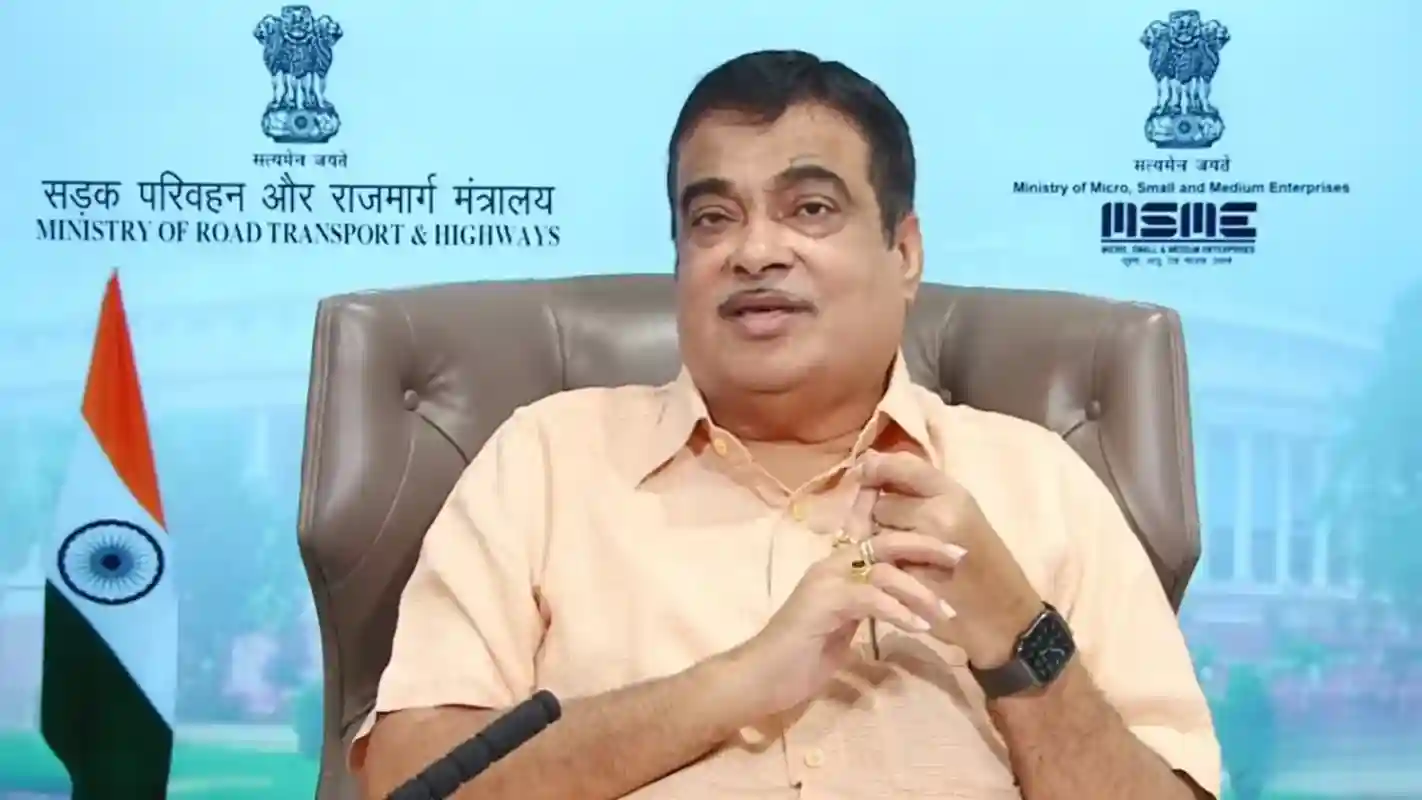
Nitin Gadkari on Ethanol Blending Union Road Transport and Highways Minister Nitin Gadkari has strongly defended the Central Government’s aggressive ethanolblending program, clarifying that while consumers retain the choice to opt out of blended fuels, doing so will carry a steep financial premium. Addressing growing concerns from vehicle owners regarding the nationwide transition to E20 fuel, Gadkari stated that motorists who prefer 100 percent pure petrol are completely free to buy it but must be prepared to pay significantly more than the cost of alternative biofuels. The minister emphasized that the core objective of the alternative fuel push remains safeguarding national interest by cutting India’s massive Rs 22 lakh crore fossil fuel import bill and reducing vehicular pollution.
Nitin Gadkari on Ethanol Blending – Gadkari Rejects Engine Damage Reports, Labels Claims “False Narrative”
Amid widespread social media reports and rising opposition criticism claiming that higher ethanol concentrations corrode internal components and damage older engines, Gadkari pushed back firmly by labeling these claims a “concerted false narrative.” He clarified that E20 fuel was rolled out nationwide only after clearing rigorous, long-term testing protocols conducted by the Pune-based Automotive Research Association of India (ARAI) alongside major domestic automobile manufacturers. While acknowledging that older rubber washers might experience slight wear, the minister noted that vehicle manufacturers have already been instructed to replace these specific components during routine servicing at zero extra cost to the consumer.
Nitin Gadkari on Ethanol Blending – Ministry Acknowledges Marginal Drop in Vehicle Mileage Due to Lower Calorific Value
Addressing the technical reality of the transition, the Union Minister openly acknowledged a minor decline in fuel efficiency, citing the fundamental difference in calorific value between ethanol and pure fossil fuels. The Ministry of Petroleum and Natural Gas corroborated this fact, noting that E20 fuel could result in a marginal mileage drop of up to 5 percent in certain driving conditions, particularly in high-traffic urban areas like Delhi and Mumbai where vehicles spend more time in lower gears. However, Gadkari countered that this slight drop is entirely offset by ethanol’s superior anti-knocking properties and higher octane rating, making it a cleaner, high-quality, and highly efficient fuel option over the long run.
Nitin Gadkari on Ethanol Blending – Flex-Fuel Revolution Gathers Momentum Across Major Indian Automakers
Looking ahead to the next phase of India’s green mobility transition, the government has already finalized the legal framework for E100 (100 percent pure ethanol fuel) and expects a massive rollout of flex-fuel vehicles over the coming months. Prominent manufacturers, including Maruti Suzuki, Tata Motors, Mahindra, Hyundai, and Toyota Kirloskar, are actively developing dedicated flex-fuel engines to completely eliminate mileage efficiency losses. Gadkari concluded by noting that global economies like Brazil have successfully run vehicles on high-percentage ethanol blends since the 1970s without issues, and India’s diversification into indigenous alternatives like methanol and iso-butanol will ultimately secure the nation’s energy future against global geopolitical crises.
